How the Holidays Can Trigger Relapse — and What Actually Helps
 | 4.9 Google Reviews
| 4.9 Google Reviews
Peace Valley Recovery is located in Bucks County, Pennsylvania. Our mission is to provide patient-centered care that focuses on healing and recovery from addiction. This blog provides information, news, and uplifting content to help people in their recovery journey.
Authored by Chris Schumacher | Medically Reviewed by Dr. Elizabeth Drew,
Last Updated: January 29, 2026
The invitation to Thanksgiving dinner sits on your counter. Your mom called twice already asking if you’re coming. She promises it will be low-key this year, just family, nothing crazy.
You want to believe her.
You also remember last year when your uncle kept refilling wine glasses and your cousin made jokes about your “new lifestyle.” You remember feeling cornered at the dinner table, watching everyone else relax into their second or third drink while you gripped your water glass and counted the minutes until you could leave.
Now it’s happening again. The holiday season stretches ahead with its endless gatherings, its pressure to be festive, its assumption that everyone celebrates the same way. You’re working hard to stay sober, the holidays feel designed to test every boundary you’ve carefully built.
Treatment centers consistently see increased admissions in the weeks following major holidays. Individuals in recovery face heightened vulnerability during holiday periods, with emergency department visits for substance-related issues increasing significantly between Thanksgiving and New Year’s Day. Understanding why this happens and having concrete strategies in place can make the difference between maintaining your recovery and finding yourself back at square one in January.
Why the Holidays Feel So Dangerous
Family gatherings bring you face to face with the people who knew you before recovery. They might still see you as the person you were rather than who you’re becoming. Old family dynamics resurface quickly. You might fall back into the role of the screw-up, the disappointment, or the problem child even though you’re actively working to change your life.
Some family members don’t understand what recovery means. They might offer you a drink out of habit or insist that one glass of champagne at midnight won’t hurt anything. Others drink heavily around you without considering how difficult that makes your situation.
The grief that surfaces during holidays can also feel particularly sharp. If you’ve lost someone important to you, their absence feels more pronounced when everyone else is celebrating. First holidays without a loved one can be devastating, especially if substance use played any role in the loss. You might also grieve the version of holidays you remember from before addiction changed everything.
Loneliness during the holiday season carries its own weight.
If you don’t have family to celebrate with or if you’ve created distance from family for your own wellbeing, watching others gather can intensify feelings of isolation. Financial stress adds another layer of difficulty. The pressure to buy gifts you can’t afford creates anxiety.
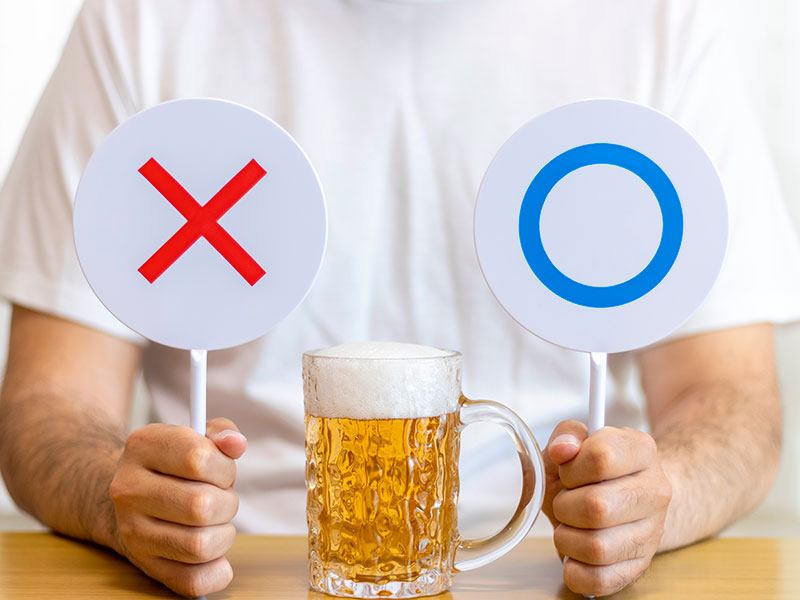
Social pressure to drink saturates the entire season. Office parties, neighborhood gatherings, and family dinners all seem to revolve around alcohol. Alcohol consumption increases significantly during the holiday season compared to other times of the year. Well-meaning people ask why you’re not drinking, forcing you to either explain your recovery or make up excuses on the spot.
Recognizing When You’re Vulnerable
Knowing the warning signs that you’re struggling helps you get support before a slip becomes a relapse. You might notice yourself romanticizing past holidays when you were using. Memories get selective, highlighting the fun moments while conveniently forgetting the hangovers and arguments.
Isolation increases when you’re struggling. You might skip support meetings or therapy sessions, telling yourself you’re too busy with holiday preparations. Changes in mood can signal vulnerability too. Increased anxiety, irritability that seems out of proportion, or depression that settles in heavier than usual all indicate your mental health needs attention.
These warning signs matter because they give you information about what you need before things get worse. Noticing them early means you can take action while you still have some stability.
What Actually Helps You Stay Stable
The most effective approach involves preparing before the holidays hit rather than trying to figure things out in the moment. Setting boundaries ahead of time gives you a plan to follow when you’re feeling pressured or overwhelmed. Decide which holiday events you’ll attend and which ones you’ll skip before the invitations start piling up.
Planning your exit strategy before you arrive at gatherings reduces anxiety and gives you control. This might mean driving yourself so you can leave whenever you need to. It’s genuinely okay to say no to family gatherings if they threaten your recovery. Your sobriety has to come first, even when that disappoints people.
Building your support system stronger before the holidays arrive gives you people to lean on when things get hard. Tell trusted people you’re worried about the upcoming season before you’re in crisis. Get phone numbers of people you can call in moments of temptation and actually use them when those moments come. Consider scheduling additional therapy sessions during the holiday months.
Creating positive experiences rather than just avoiding negative ones helps too.
You might host your own gathering where sobriety is the default rather than the exception. Volunteering during the holidays shifts your focus away from your own struggles while helping others. Finding sober holiday events in your community connects you with others who understand what you’re navigating.
Specific high-risk moments need specific plans. Christmas Eve might be triggering because of family traditions. New Year’s Eve brings pressure around champagne toasts. Knowing what you’ll do during these moments before they arrive helps you respond from intention rather than impulse. Bringing your own non-alcoholic drinks to gatherings gives you something to hold. Having a buddy system where someone at the event knows you’re in recovery provides built-in support.
Taking care of your physical health becomes even more important when emotional stress increases. Maintaining your sleep schedule despite holiday chaos gives your body the rest it needs. Continuing to exercise helps process the anxiety that builds up. Eating regular meals matters because blood sugar crashes make everything feel harder.
When Professional Support Becomes Necessary
If you’re experiencing strong cravings that won’t go away despite using your usual coping strategies, that’s a clear signal to reach out for help. Don’t wait to see if they pass on their own. If you’ve already slipped or relapsed, getting help immediately gives you the best chance of preventing the slip from becoming a full return to old patterns.
Isolating yourself when you can’t seem to reach out despite knowing you should indicate you need someone to intervene. If you’re having thoughts of self-harm or if your usual coping strategies simply aren’t working anymore, those are emergencies that require professional support.

You Don’t Have to Face This Season Alone
The holidays test your recovery in ways that regular life doesn’t. The combination of family stress, social pressure, grief, loneliness, and constant exposure to substance use creates conditions where even strong recovery can feel shaky. Your sobriety matters more than any holiday celebration. The people who truly care about you will understand when you make choices that protect your recovery.
Peace Valley Recovery knows that the weeks between Thanksgiving and New Year’s Day can make or break someone’s progress. We’ve seen people white-knuckle through the holidays alone only to relapse in January when they finally can’t hold it together anymore. We’ve also seen people reach out for support early and navigate the season while protecting what they’ve built.
Our team understands that holiday stress isn’t abstract. It’s your uncle who doesn’t believe in addiction. It’s the Christmas party at work where everyone expects you to drink. It’s New Year’s Eve when you’re supposed to toast with champagne. We help you prepare for these specific moments with practical strategies that work in real situations.
If you’re worried about the upcoming holidays or if you’re already feeling the strain, contact Peace Valley Recovery at (267) 662-2442. Getting support now means you don’t have to face the hardest season of the year alone. The holidays don’t have to cost you your sobriety.
You May Also Like to Read
What Long-Term Impact Has COVID-19 Had on Mental Health?
What Long-Term Impact Has COVID-19 Had on Mental Health? Authored by Chris Schumacher | Medically Reviewed [...]
How Social Media Affects Mental Health
How Social Media Affects Mental Health Authored by Chris Schumacher, | Medically Reviewed by Dr. Elizabeth Drew, [...]

Technology’s Impact on Mental Wellness
Technology's Impact on Mental Wellness Authored by Chris Schumacher, | Medically Reviewed by Dr. Elizabeth Drew, Last [...]